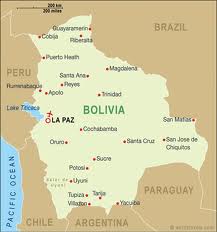
The climate crisis in Bolivia is not a headline or an abstraction – it is playing out in people’s lives in real time.
Melting glaciers are threatening the water supply of the country’s two biggest cities. Increasing droughts and floods are playing havoc with agriculture.
So it is no surprise that in climate negotiations, Bolivia is emerging as a leader in the global south – advancing both radical solutions and analysis that make rich countries distinctly nervous.
On this edition of Fault Lines, Avi Lewis travels to Bolivia to explore the country’s climate crusade from the inside.
It is the story of an emerging movement, based in the global south, raising questions about who owes what to whom in confronting the climate crisis.
And it is playing out in Bolivia’s epic landscape – from the tropical glaciers to the endless salt flats. A landscape that in normal times seems to mock the very idea that human beings can change the course of nature.
Monthly Archives: November 2011
E PLURIBUS UNUM
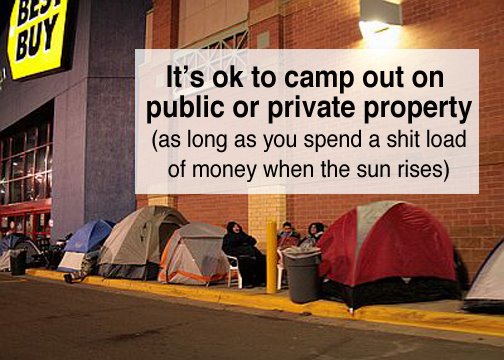
Thanksgiving Day or “ThanksTaking” Day?
The Stream speaks to actor and activist Russell Means about indigenous land rights and preserving Native American culture.
Bill Looman, Georgia Business Owner, Draws Fire For ‘Not Hiring Until Obama Is Gone’
A west Georgia business owner has been deluged with calls and emails after posting signs on his company’s trucks that say he’s not hiring anyone until President Barack Obama leaves office.
A redneck small business owner in the deep south, who could have imagined that? He draped himself in the flag with his non subject related mention of military service, but failed to thump the bible while he was at it. What kind of Neoliberal Reactionary is he? [MSH]
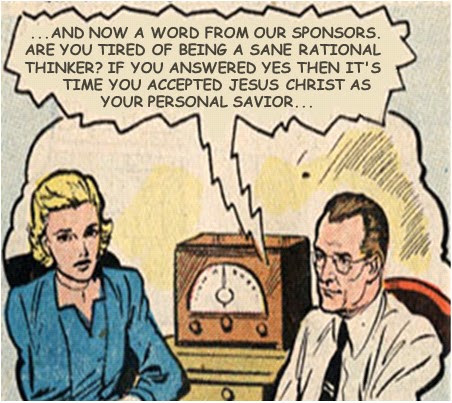
Sam Harris: Not Being Indoctrinated Into Christianity
Quote: Sacha Guitry
You can pretend to be serious; you can’t pretend to be witty.
History too kind to Puritans’ brutal intolerance
Americans who worry about Muslim countries adopting Sharia law forget that our country was first settled by Christian fundamentalists who codified their own version of religious absolutism — and had no qualms about killing anyone who objected. . . The truth is that the Puritans had no problem with religious persecution. They just wanted to be the ones doing the persecuting.
Why Are People Still Afraid of Atheism?
A landmark 2006 study, analyzing data from a large survey of Americans, found that atheists “are less likely to be accepted, publicly and privately, than any others from a long list of ethnic, religious and other minority groups.”
There is no actual evidence backing up the assumption that atheism somehow leads to a decline in morality. In a 2009 study, sociologist Phil Zuckerman argued that “a strong case could be made that atheists and secular people actually possess a stronger or more ethical sense of social justice than their religious peers,” adding that they, on average, have “lower levels of prejudice, ethnocentrism, racism and homophobia” than the much larger population of believers. He adds that “with the important exception of suicide, states and nations with a preponderance of nonreligious people actually fare better on most indicators of societal health than those without.”