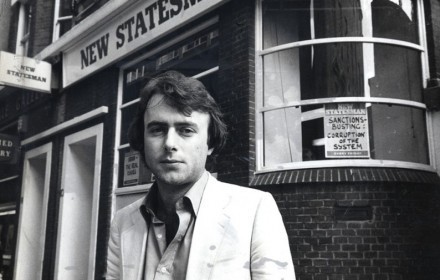
Christopher Hitchens, the enemy of the totalitarian

Hitchens himself was many things: a polemicist, reporter, author, rhetorician, militant atheist, drinker, name-dropper, and raconteur. He was also an absolutist. He liked a clear, defined target against which to take aim and fire; he knew what he wanted to write against and he did so with all the force and power of his formidable erudition and articulacy. Hitchens was an accomplished and prolific writer, but an even better speaker: his perfect sentences cascaded and tumbled, unstoppably. He was one of our greatest contemporary debaters, taking on all-comers on all subjects, except sport, in which he professed to have no interest at all. . .

An absence of doubt defines his work. His weaknesses are overstatement, especially when writing about what he despises (Islamism, God, pious moralizing of all kinds), self-righteous indignation (“shameful” and “shame”, employed accusatorily, are favoured words in his lexicon), narcissism, and failure to acknowledge or accept when he is wrong. His redeeming virtues are his sardonic wit, polymathic range, good literary style and his fearlessness. . .

The culture no longer throws up people like the Hitch. Today, he is very much a man apart. He has no equal in contemporary Anglo-American letters; there are followers and disciples but no heir apparent.

Read more . . .  

Quote: Christopher Hitchens

Christopher Eric Hitchens (13 April 1949 – 15 December 2011)
English-American, Literary Critic, Journalist, Author,
Essayist, Polemicist, and Outspoken Anti-theist

Mockery of religion is one of the most essential things because to demystify supposedly ‘holy text dictated by god’ and show that they are man-made and what you have to show is their internal inconsistencies and absurdities. One of the beginnings of human emancipation is the ability to laugh at authority . . . it is an indispensable thing people can call it blasphemy if they like, but if they call it that they have to assume there is something to be blasphemed – some divine work, well I don’t accept the premise.

Quote: Christopher Hitchens

Christopher Eric Hitchens (13 April 1949 – 15 December 2011)
English-American, Literary Critic, Journalist, Author,
Essayist, Polemicist, and Outspoken Anti-theist

Organised religion is violent, irrational, intolerant, allied to racism, tribalism, and bigotry, invested in ignorance and hostile to free inquiry, contemptuous of women and coercive toward children.

Quote: Christopher Hitchens

Christopher Eric Hitchens (13 April 1949 – 15 December 2011)
English-American, Literary Critic, Journalist, Author,
Essayist, Polemicist, and Outspoken Anti-theist

I’m not even an atheist so much as I am an anti-theist; I not only maintain that all religions are versions of the same untruth, but I hold that the influence of churches, and the effect of religious belief, is positively harmful. Reviewing the false claims of religion I do not wish, as some sentimental agnostics affect to wish, that they were true. I do not envy believers their faith. I am relieved to think that the whole story is a sinister fairy tale; life would be miserable if what the faithful affirmed was actually the case.

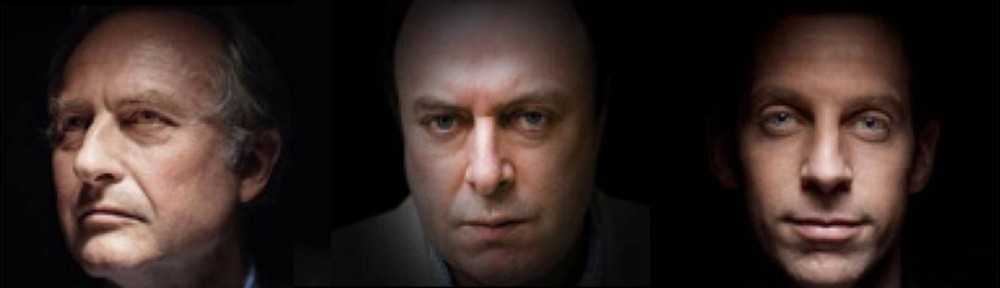
New Statesman Interview Preview: Richard Dawkins Interviews Christopher Hitchens

Fascism and the Catholic Church

RD The people who did Hitler’s dirty work were almost all religious.
CH I’m afraid the SS’s relationship with the Catholic Church is something the Church still has to deal with and does not deny.
RD Can you talk a bit about that – the relationship of Nazism with the Catholic Church?
CH The way I put it is this: if you’re writing about the history of the 1930s and the rise of totalitarianism, you can take out the word “fascist,” if you want, for Italy, Portugal, Spain, Czechoslovakia and Austria and replace it with “extreme-right Catholic party.”
Almost all of those regimes were in place with the help of the Vatican and with understandings from the Holy See. It’s not denied. These understandings quite often persisted after the Second World War was over and extended to comparable regimes in Argentina and elsewhere.

Read more . . .  

Mason Crumpacker and the Hitchens Reading List

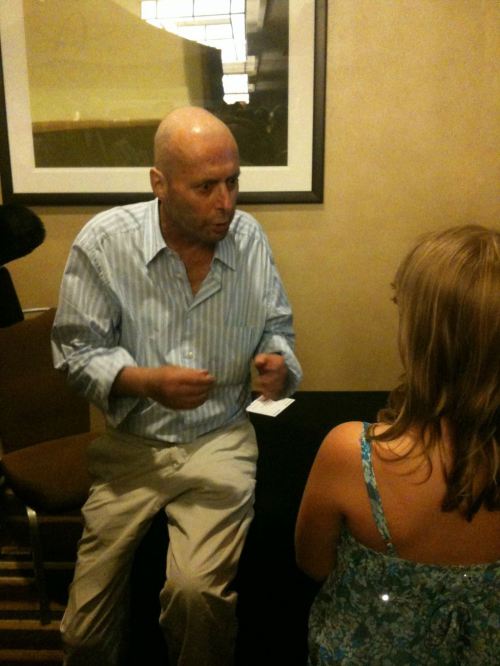
When Christopher Hitchens got the Dawkins Award in Houston, I posted the following report from Chron.com: Though [Hitchens] was asked a variety of questions from the audience, none appeared to elicit more interest than the one asked by eight-year-old Mason Crumpacker, who wanted to know what books she should read. In response, Hitchens first asked where her mother was and the girl indicated that she was siting beside her. He then asked to see them once the presentation was over so that he could give her a list.

As the event drew to a close, Mason and her mom, Anne Crumpacker of Dallas, followed him out. Surrounded by attendees wanting a glance of the famed author, Hitchens sat on a table just outside of the ballroom and spent about 15 minutes recommending books to Mason.

Read more . . .