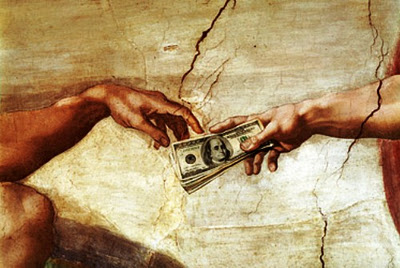
CREATION FAIL!
1
 Source: MoveOn.org
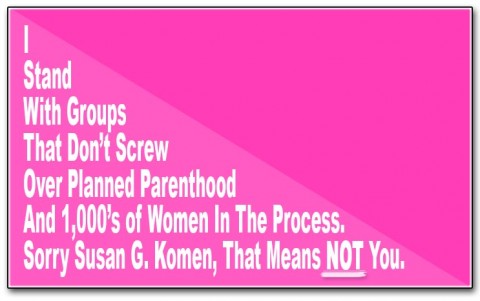
One may enjoy reading the comments associated with this MoveOn.org post, for some of them realize, and speak to, the metaphysical realm of the argument. Of course, many others mix the physical with the metaphysical, while some write purely on an emotional level. Once one realizes the differences between the physical, metaphysical, and emotional levels of argumentation it is quite entertaining to sit back and observe the incoherence of others arguments.
It makes one wonder how is it that many of the sane end up in insane asylums, while the insane aimlessly wonder through life without ever breaching the physiological senses, what’s more, voting for the reactionary ticket, and reproducing like there’s no tomorrow. [MSH]
 Source: MoveOn.org
There are many ways to respond to this, one of which is to echo George Bernard Shaw when he said “The fact that a believer is happier than a sceptic is no more to the point than the fact that a drunken man is happier than a sober one. The happiness of credulity is a cheap and dangerous quality.”
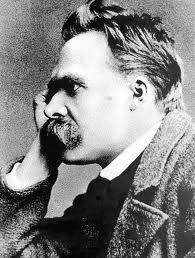
What did Nietzsche mean by the death of God? Benjamen Walker and guests explore the legacy of the German philosopher’s statement.
One of the most frequently quoted – and hotly debated – passages in modern philosophy appears in Section 125 of Friedrich Nietzsche’s The Gay Science. It’s worth quoting in full:
“God is dead. God remains dead. And we have killed him. How shall we comfort ourselves, the murderers of all murderers? What was holiest and mightiest of all that the world has yet owned has bled to death under our knives: who will wipe this blood off us? What water is there for us to clean ourselves? What festivals of atonement, what sacred games shall we have to invent? Is not the greatness of this deed too great for us? Must we ourselves not become gods simply to appear worthy of it?”
But the core statement is as ambiguous as it is catchy: was God an actual being that had ceased to exist, or had we merely stopped believing in him? In Nietzsche’s book, the words are spoken by a madman: did this mean that God was in fact still alive? Many have quipped: Nietzsche doesn’t look that alive these days either.