In politics, the concrete usually wins over the abstract [Because thinking is hard!]

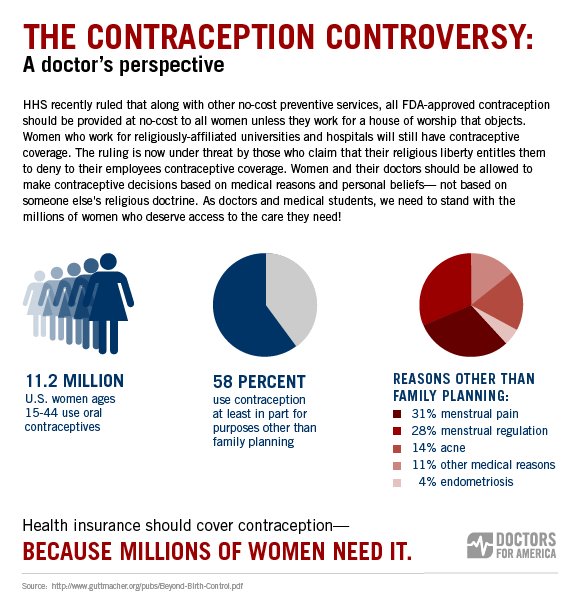
. . . [M]ost people value [Christian privilege] as an abstract principle, they don’t make decisions based on abstractions. They tend to look at the concrete manifestations of those abstractions. . . . So while many people will say they support [Christian privilege], they are going to be angry if [women workers] access to their contraceptive services are taken away. The situation is similar to those older Tea [Bagee] supporters who say they support getting government out of health care as an abstract principle but will fight tooth and nail to retain their Medicare.

Read more . . .

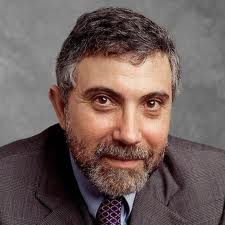
Paul Krugman: Severe [Reactionary] Syndrome

How did American [reactionism] end up so detached from, indeed at odds with, facts and rationality? For it was not always thus. . . .

The point is that today’s dismal [White-Wing Party] field — is there anyone who doesn’t consider it dismal? — is no accident. Economic [reactionaries] played a cynical game, and now they’re facing the blowback, a party that suffers from “severe” [reactionism] in the worst way. . . .

Read more . . .

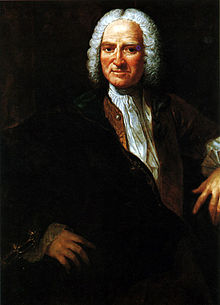
Quote: Baron d’Holbach

Paul-Henri Thiry, Baron d’Holbach (08 December 1723 – 21 January 1789)
French-German Author, Philosopher, Encyclopedist,
Polemicist against organized religion, and Avowed Atheist

Religion is the art of intoxicating men with enthusiasm [this word in the eighteenth century meant religious fervor], to prevent them from dealing with the evils with which their governors oppress them. . . . The art of reigning has become nothing more than that of profiting from the errors abjection of mind and soul into which superstition has plunged the nations. . . . By means of threatening men with invisible powers, they [Church and state] force them to suffer in silence the miseries with which visible powers afflict them. They are made to hope that if they agree to being unhappy in this world, they will be happy in the next.

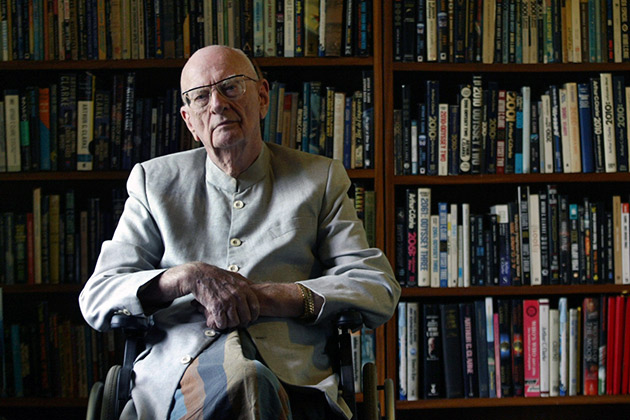
QUOTATION: “On Religion as a By-product of Fear” / Arthur C. Clarke

Sir Arthur Charles Clarke (16 December 1917 – 19 March 2008)
British Science Fiction Author, Inventor, Futurist, and Atheist
Author of 2001: A Space Odyssey, (1968)

Religion is a by-product of fear. For much of human history, it may have been a necessary evil, but why was it more evil than necessary? Isn’t killing people in the name of god a pretty good definition of insanity?