
 The studies
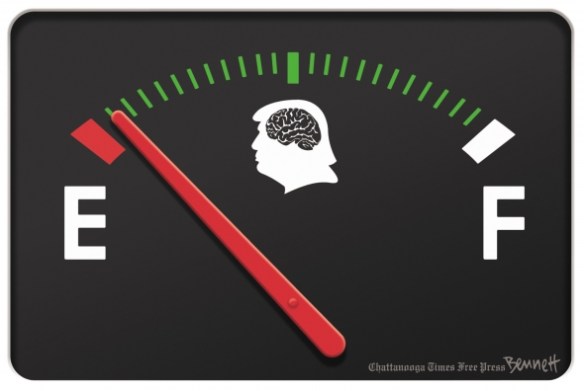
There is data to support Kanazawa’s claims about IQ scores and the relation to liberalism and religion. Studies from the National Longitudinal Study of Adolescent Health support Kanazawa’s theories. They found that young adults who describe themselves as being “not at all religious” have an average IQ of 103 during adolescence, while those who identify themselves as being “very religious” have an average IQ of 97 during adolescence.
In terms of liberalism, young adults who identify as being “very liberal” have an average IQ of 106 during adolescence while those who identify themselves as “very conservative” have an average IQ of 95 during adolescence. It is worth noting that both the description of very religious and very liberal is subjective, and means something different to each participant in the study.
 h/t:
h/t: 

 “Thoroughly unprepared, we take the step into the afternoon of life. Worse still, we take this step with the false presupposition that our truths and our ideals will serve us as hitherto. But we cannot live the afternoon of life according to the program of life’s morning, for what was great in the morning will be little at evening and what in the morning was true, at evening will have become a lie.”
 Always Question Authority