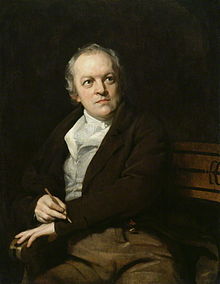
On this date in 1819, Walt Whitman [May 31, 1819 – March 26, 1892] was born on Long Island. After working as clerk, teacher, journalist and laborer, Whitman wrote his masterpiece, Leaves of Grass, pioneering free verse poetry in a humanistic celebration of humanity, in 1855. Emerson, whom Whitman revered, said of Leaves of Grass that it held “incomparable things incomparably said.” During the Civil War, Whitman worked as an army nurse, later writing Drum Taps (1865) and Memoranda During the War (1867). His health compromised by the experience, he was given work at the Treasury Department in Washington, D.C. After a stroke in 1873, which left him partially paralyzed, Whitman lived his next 20 years with his brother, writing mainly prose, such as Democratic Vistas (1870). Leaves of Grass was published in nine editions, with Whitman elaborating on it in each successive edition. In the preface of the 1855 edition of Leaves of Grass, Whitman wrote, “This is what you shall do: Love the earth and sun and animals, despise riches, give alms to everyone that asks, stand up for the stupid and crazy, devote your income and labor to others, hate tyrants, argue not concerning God.” In 1881, the book had the compliment of being banned by the commonwealth of Massachusetts on charges of immorality.
Whitman was at most a Deist who scorned religion (see several samples of his views below). D. 1892.
h/t: Freedom From Religion Foundation

LONDON