The average American would be hard-pressed to see evidence of this “war.” Millions of people meet regularly in houses of worship. What’s more, those institutions are tax exempt. Many denominations participate in taxpayer-funded social service programs. Their clergy regularly speak out on the issues of the day. In the political arena, religious leaders are treated with great respect.
Furthermore, religious organizations often get special breaks that aren’t accorded to their secular counterparts. Houses of worship aren’t required to report their income to the Internal Revenue Service. They don’t have to apply for tax-exempt status; they receive it automatically as soon as they form. Religious entities are routinely exempted from employment laws, anti-discrimination measures and even routine health and safety inspections.
Unlike secular lobbies, religious groups that work with legislators on Capitol Hill don’t have to register with the federal government and are free from the stringent reporting requirements imposed on any group that seeks to influence legislation.
Religion in America would seem to be thriving in this “hands-off” atmosphere, as evidenced by church attendance rates, which in the United States tend to be higher than any other Western nation. So where springs this “war on religion” talk?
[…]
Quote: Oscar Wilde
A Tale Of Two Centuries: Charles Dickens Turns 200 (02.07.2012) / AUDIO
Charles Dickens — one of the most beloved storytellers in the English language — was born 200 years ago Tuesday [02.07.2012]. He was a comic genius and a social reformer whose novels made him famous in his own time, and continue as classics in ours.
[…]
Dickens began his literary career with almost no formal education. He was born in Landport, on Feb. 7, 1812, the second of eight children. When he was 12, his father was sent to debtor’s prison. Dickens was forced to quit school and work in a London blacking factory, sealing pots of shoe polish and pasting labels on them. He would rework that hellish experience into his fiction for the rest of his life.
“He was a social reformer who knew whereof he spoke,” says actor Simon Callow, author of a new biography called Charles Dickens and the Great Theatre of the World. “He knew what poverty was. He knew what it was to be rejected, to be cast aside, to live in squalor.”
Bill Hicks: The Man of Truth
“I left in love, in laughter, and in truth and wherever truth, love and laughter abide, I am there in spirit.”
Bill Hicks: What your reading for?
BBC Documentary: The Romantics / Liberty / 2005
The 18th century was a time of opulence and privilege for some. Europe was dominated by the twin authority of the Church and King – but beneath the surface, new forces were gathering to challenge their absolute rule.
The Rise of Atheism in America
. . . [A large] share of the American public (19 percent) spurns organized religion in favor of a nondefined skepticism about faith. . . .
[…]
Most polls suggest that atheists are among the most disliked groups in the U.S. One study last year asked participants whether a fictional hit-and-run driver was more likely to be an atheist or a rapist. A majority chose atheist. In 2006, another study found that Americans rated atheists as less likely to agree with their vision of America than Muslims, Hispanics, or homosexuals. “Wherever there are religious majorities, atheists are among the least trusted people,” said University of British Columbia sociologist Will M. Gervais.
Hitchens vs Catholicism
“The subject being debated was: The Catholic Church is a force for good in the world… In fact, this rant has been called his best ever on the subject of the Catholic Church.”
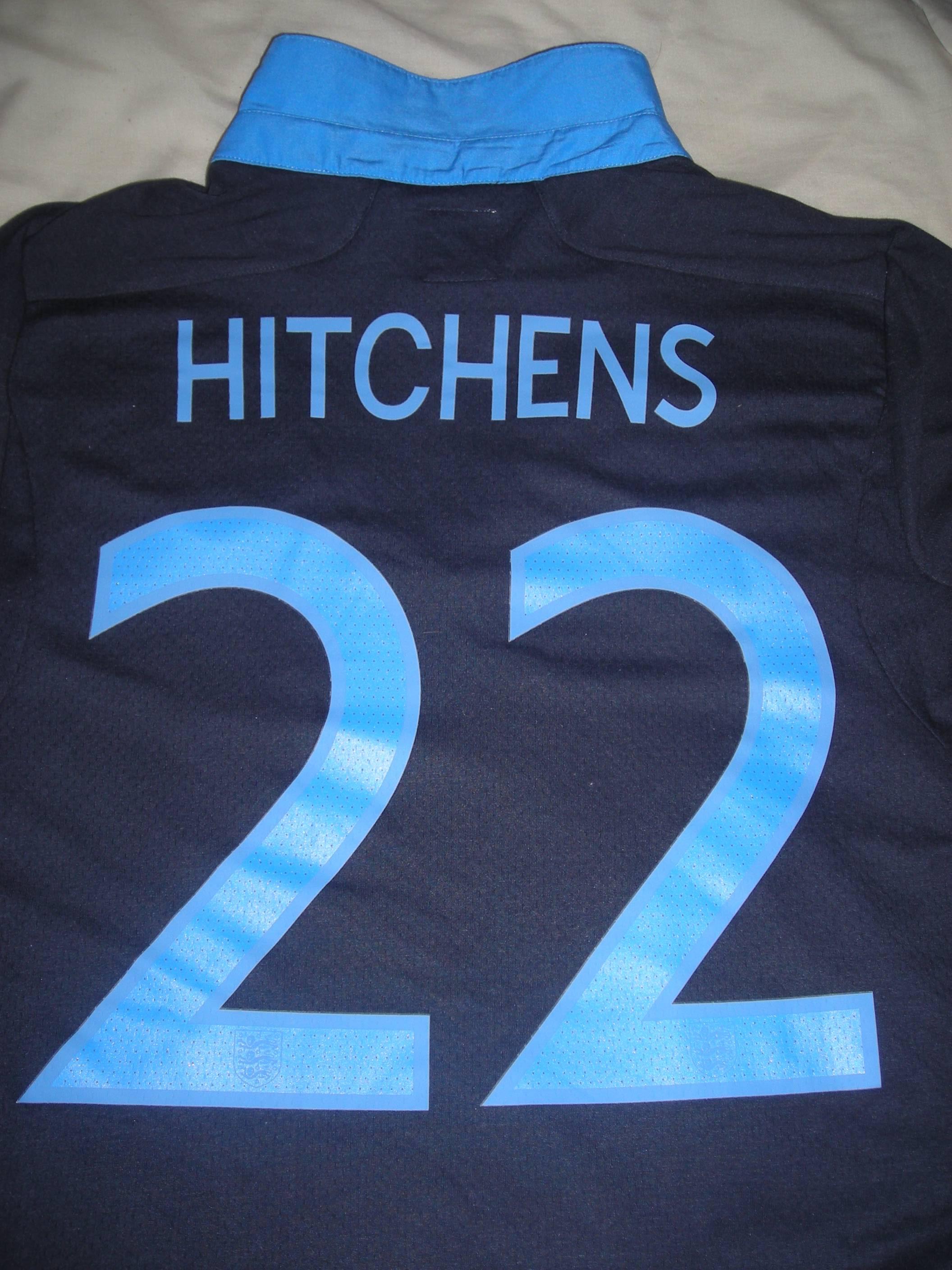
Hitchens England Jersey
Christopher Hitchens Fish
Check it out : zazzle.com