[…]
Widespread ignorance of objective reality poses a genuine threat to democracy. The people of the United States have ignorance in abundance.
The way representative democracy is supposed to work is pretty simple: you protect the fundamental rights of the minority (so it doesn’t become two wolfs and a lamb voting on what to have for dinner), and then the majority of citizens, acting in their own rational self-interest, elect representatives who will pursue the greatest good for the greatest number of citizens.
That’s the theory, but “rational” is a key word in that formulation. What happens when lots of citizens don’t have a solid grasp of what’s going on in the real world?
Consider some examples that are especially relevant to our current political scene.
– People Don’t Recognize Their Lack of Competence, Can’t Judge the Competence of Politicians
– Politicians Think Their Constituents Are Much Further to the Right Than Polls Suggest
– The Wealthy Think the Wealthy Should Pay More Taxes, But They Don’t Think They’re Wealthy
– Americans Like Sweden’s Distribution of Wealth, and Think They Already Have
– Government Spending Has Decreased Under Obama, But Nobody Knows It
– The Deficit Has Been Stabilized and Is Shrinking, But Only 6 Percent of Americans Know It
– Foreign Aid Is Pocket Change
– So, Should We Just Give Up On Democracy?
Category Archives: Writing
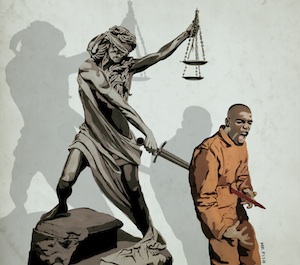
PRISON-INDUSTRIAL COMPLEX: “The Shame of America’s Gulag” / Chris Hedges
Illustration by Mr. Fish
If, as Fyodor Dostoevsky wrote, “the degree of civilization in a society can be judged by entering its prisons” then we are a nation of barbarians. Our vast network of federal and state prisons, with some 2.3 million inmates, rivals the gulags of totalitarian states. Once you disappear behind prison walls you become prey. Rape. Torture. Beatings. Prolonged isolation. Sensory deprivation. Racial profiling. Chain gangs. Forced labor. Rancid food. Children imprisoned as adults. Prisoners forced to take medications to induce lethargy. Inadequate heating and ventilation. Poor health care. Draconian sentences for nonviolent crimes. Endemic violence.
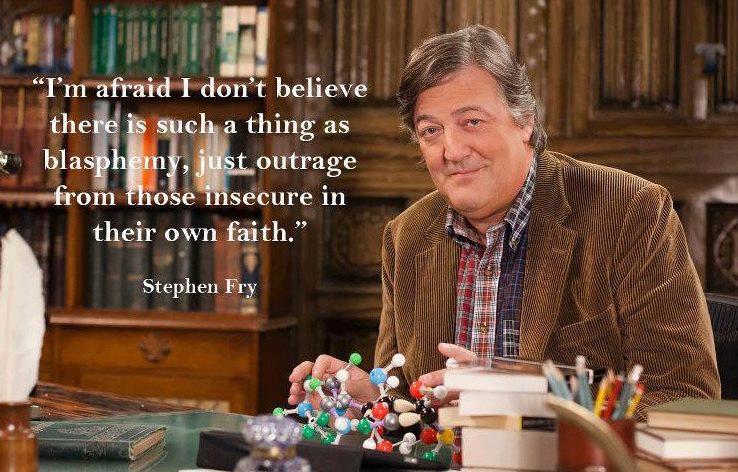
QUOTATION: “Blasphemy” / Stephen Fry
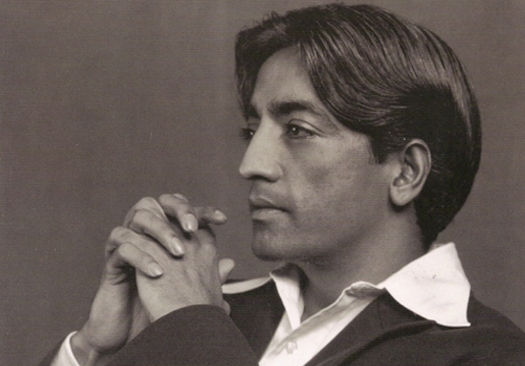
QUOTATION: Krishnamurti / “Fear is one of the greatest problems in life.”
Jiddu Krishnamurti (May 11, 1895 – February 17, 1986)
Indian born speaker and writer on philosophical and spiritual subjects
Fear is one of the greatest problems in life. A mind that is caught in fear lives in confusion, in conflict, and therefore must be violent, distorted and aggressive. It dare not move away from its own patterns of thinking, and this breeds hypocrisy. Until we are free from fear, climb the highest mountain, invent every kind of God, we will always remain in darkness. – Freedom from the Known,40
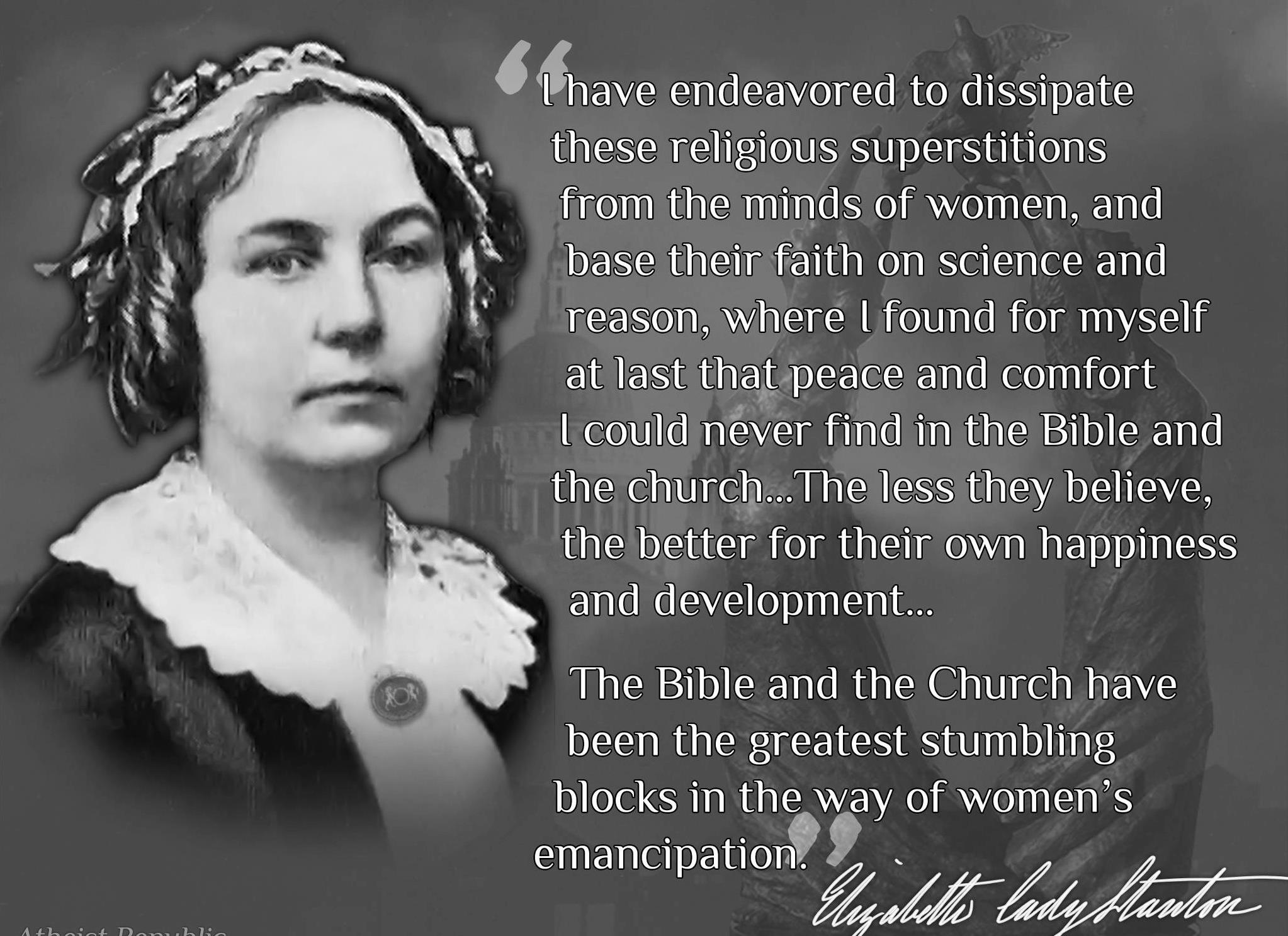
ANTITHEISM: “Women’s Emancipation” / Elizabeth Cady Stanton
BIBLICAL DELUSION: “What The Bible Means” / George Bernard Shaw
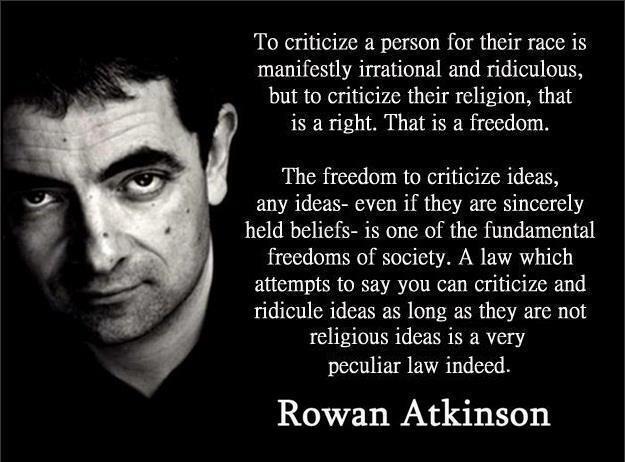
CENSORSHIP: “The Freedom to Criticize” / Rowan Atkinson
QUOTATION: Krishnamurti / “A Particular Corner of the Vast Field of Life”
Jiddu Krishnamurti (May 11, 1895 – February 17, 1986)
Indian born speaker and writer on philosophical and spiritual subjects
And what is yourself, the individual you? I think there is a difference between the human being and the individual. The individual is a local entity, living in a particular country, belonging to a particular culture, particular society, particular religion. The human being is not a local entity. He is everywhere. If the individual merely acts in a particular corner of the vast field of life, then his action is totally unrelated to the whole. So one has to bear in mind that we are talking of the whole not the part, because in the greater the lesser is, but in the lesser the greater is not. The individual is the little conditioned, miserable, frustrated entity, satisfied with his little gods and his little traditions, whereas a human being is concerned with the total welfare, the total misery and total confusion of the world. – Freedom from the Known,13
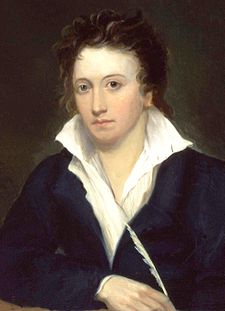
POETRY: “Song to the Men of England” / Percy Bysshe Shelley
Song to the Men of England
I.
Men of England, wherefore plough
For the lords who lay ye low?
Wherefore weave with toil and care
The rich robes your tyrants wear?II.
Wherefore feed and clothe and save
From the cradle to the grave
Those ungrateful drones who would
Drain your sweat—nay, drink your blood?III.
Wherefore, Bees of England, forge
Many a weapon, chain, and scourge,
That these stingless drones may spoil
The forced produce of your toil?VI.
Have ye leisure, comfort, calm,
Shelter, food, love’s gentle balm?
Or what is it ye buy so dear
With your pain and with your fear?V.
The seed ye sow, another reaps;
The wealth ye find, another keeps;
The robes ye weave, another wears;
The arms ye forge, another bears.VI.
Sow seed—but let no tyrant reap:
Find wealth—let no imposter heap:
Weave robes—let not the idle wear:
Forge arms—in your defence to bear.VII.
Shrink to your cellars, holes, and cells—
In hall ye deck another dwells.
Why shake the chains ye wrought? Ye see
The steel ye tempered glance on ye.VIII.
With plough and spade and hoe and loom
Trace your grave and build your tomb
And weave your winding-sheet—till fair
England be your Sepulchre.Reference: Poetry Foundation