 Source: MoveOn.org
CORPORATE CAPITALISM: The Truth About Bottled Water That You’re not Supposed to Know
1
Source: MoveOn.org
[…]
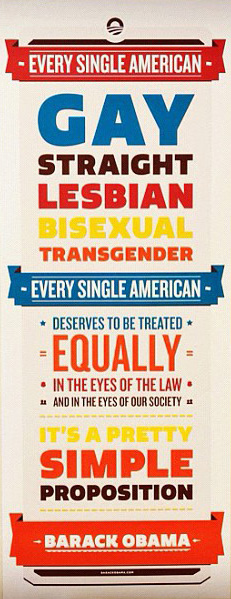
. . . [T]he right to marry, . . . is a secular legal issue. Even if the state were to recognize same-sex marriages, churches, mosques or synagogues or other places of worship would not be required to hold wedding ceremonies within them or sanction such marriages because the no legal standing is attributed to such ceremonies or sanctions. Where is the attack on liberty?
[…]
. . . [T]he banner of ‘religious liberty’ is effectively more akin to the ‘right to discriminate.’ For the state to treat organized religious groups differently than it does other organizations implies special rights for these groups to behave differently than others. But this requires such religious groups to determine who is in the “in’ group, and who is in the ‘out’ group, and because religious doctrine guides moral behavior, it provides an opportunity for members of the group to condemn the behavior of those not in the group.
[…]
. . . [W]hen organized religious groups gain power of any form, power over the state, power over women, or power over children, the results inevitably lead to restrictions on liberty based on discrimination [bigotry].
Related articles

 Source: The Peoples Boycott’s Page
 Source: Extreme Liberal’s Blog
 Source: truthdig.com
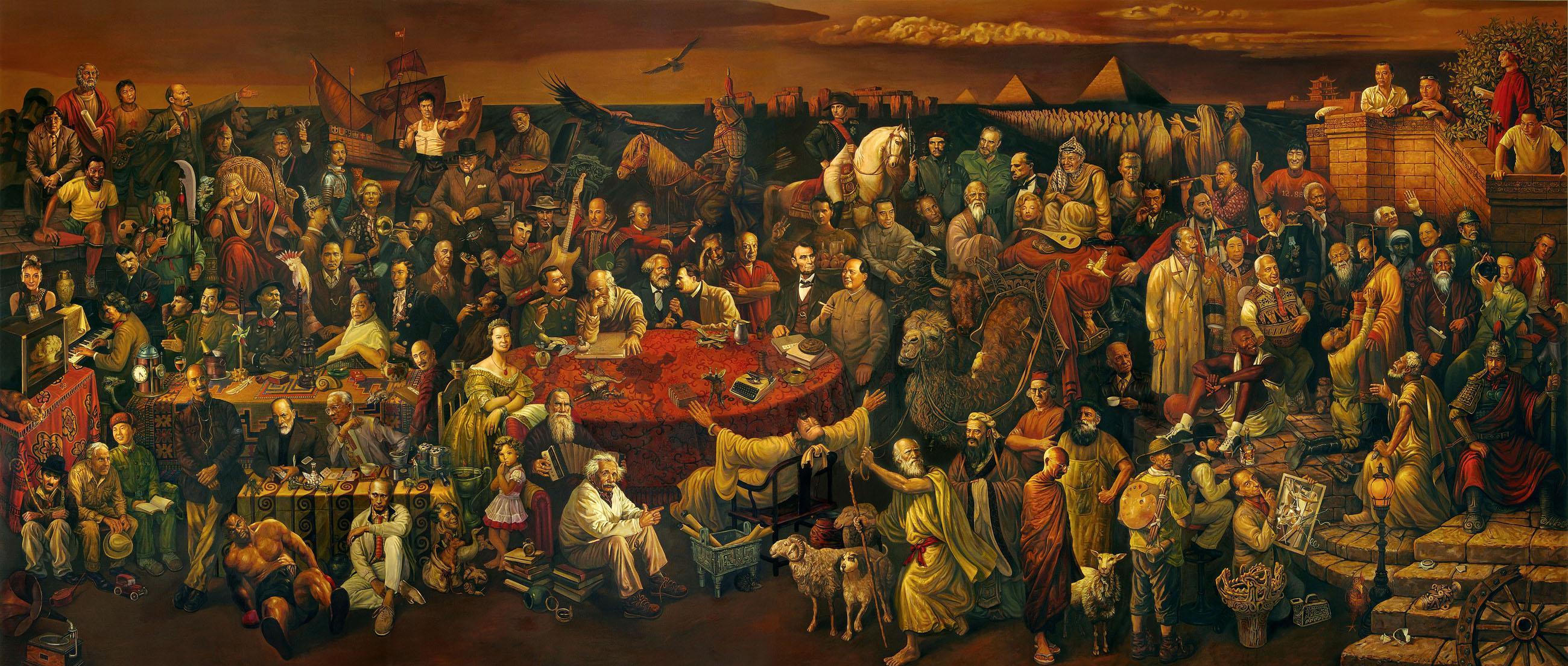
This painting is truly amazing, but more surprising is that it has been “computerized”.
Click on the link below and see a larger version of the picture.
Roll your mouse over the characters and the program tells you who is, each of them.
Click in the body, and you will be re-directed to the Wikipedia life and history of each.

 […]
[…]
It’s no surprise that so many influential thinkers and creative types have come from the ranks of these intellectual revolutionaries. Organized religion tends to reward people not for thinking creatively or critically, but for reciting and defending the dogmas of the previous generation. Throughout human history, it has consistently been true that hidebound theocracies have been mired in poverty, backwardness and intellectual stagnation, whereas the most dramatic advances have come about in times and places where people had the freedom to think for themselves, to freely question and debate. The lives of the men and women recounted here bear testimony to this.
1. Albert Einstein . . .
2. Robert Ingersoll . . .
3. W.E.B. DuBois . . .
4. Zora Neale Hurston . . .
5. Elizabeth Cady Stanton . . .
6. Asa Philip Randolph . . .
7. Robert Frost . . .
8. Emma Lazarus . . .
9. Yip Harburg . . .

 Always Question Authority